Climate and Gender Justice
The communities we work with were among the most affected during the 2022 floods and continue to face high risks of climate disasters. Our efforts over the previous years have focused on the intersection of climate, gender, and SRHR. Here are some of our key activities under this thematic area:
Dignity for Women during Climate Crisis
Our campaign has provided vital resources to women and girls in crisis. We’ve distributed menstrual, pregnancy, and safety kits to over 10,000 women affected by the 2022 floods in Pakistan, over 100 women affected by the 2023 earthquake in Turkey, and more than 3,000 women affected by the 2024 floods in Gwadar. During our campaign, we identified significant challenges faced by women in IDP camps, such as the lack of WASH facilities and privacy. To address these issues, we provided disposable sanitary pads and solar-powered lamps to enhance safety for women navigating dark areas at night. In the floods of 2025, we have distributed 11,000+ menstrual kits to women and young girls and 500+ delivery kits to LHWs and CMWs in Gilgit Baltistan, Khyber Pakhtunkhwa, and Punjab.
We engage in dialogues with district governments to prioritize the gender-specific needs of women and girls during climate disasters. Our advocacy led to the presentation of our recommendations at the SDGs Secretariat in Parliament and the creation of a gender-responsive contingency plan for Jamshoro district. Our goal is to ensure women have access to essential resources and support to manage their health and safety with dignity during crises.
GICA - Gender Inclusive Climate Action Toolkit
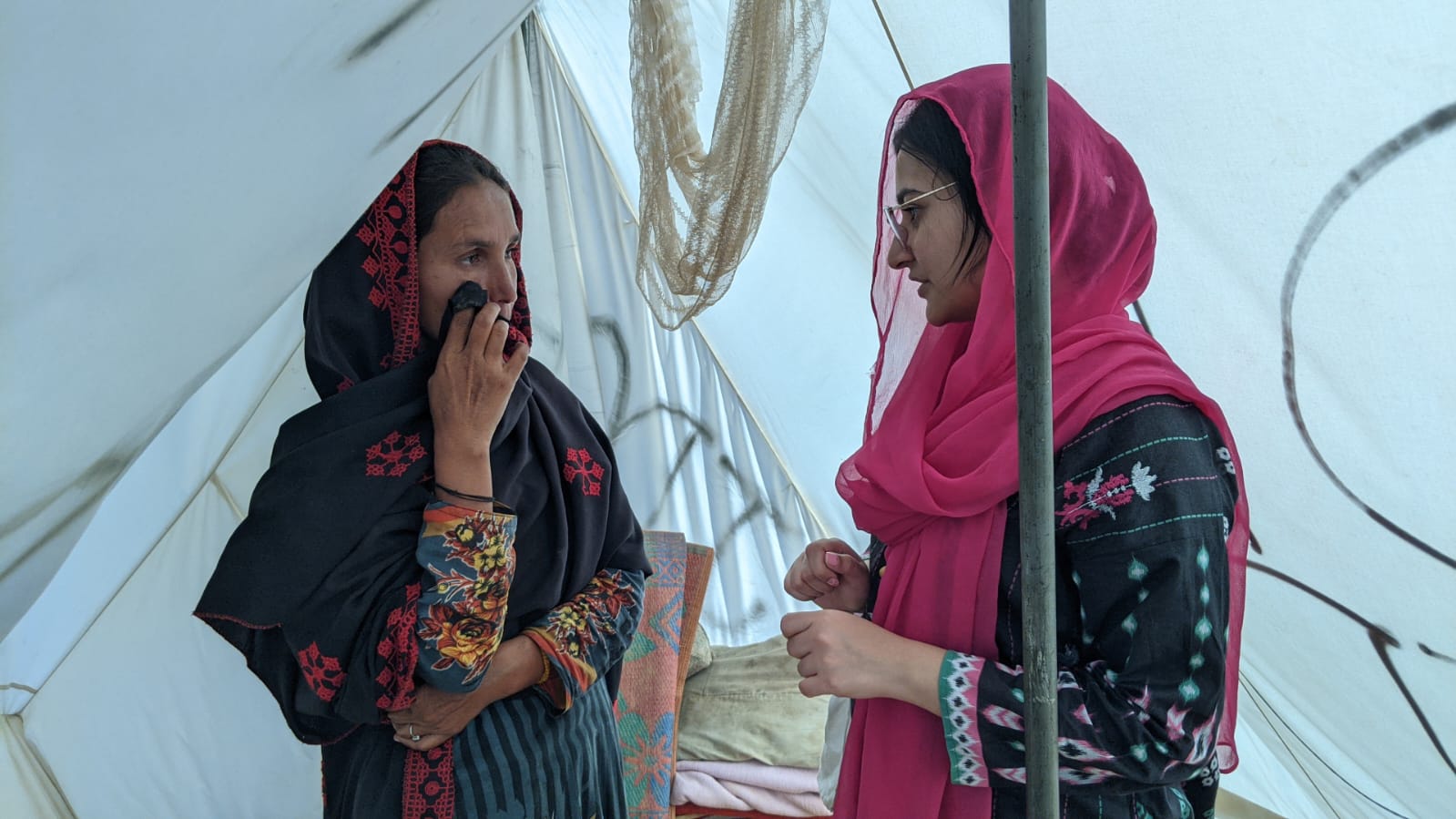
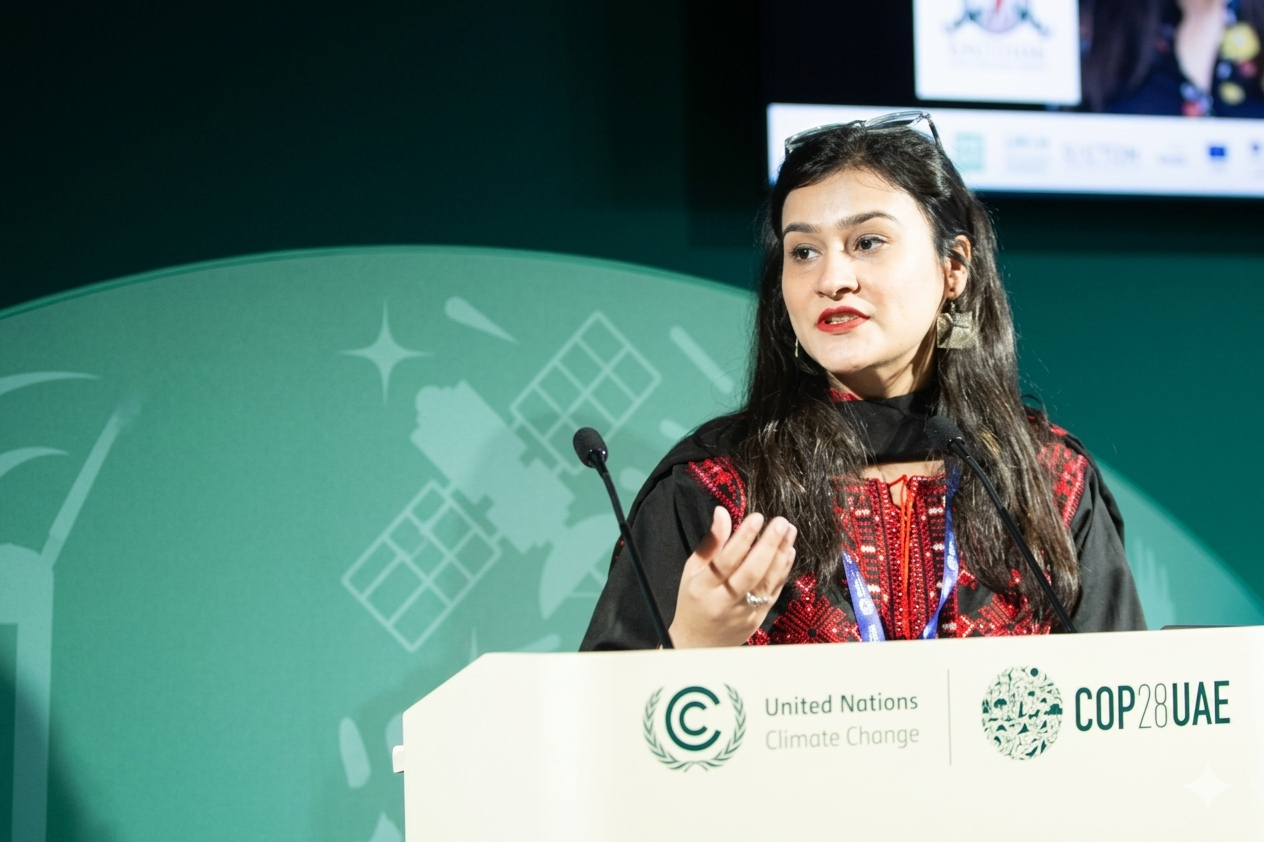
Baithak – Challenging Taboos co-created the Gender Inclusive Climate Action Toolkit (GICA) that addresses the unique needs of girls and women during climate crises. This toolkit was created by consulting with 40 diverse organizations dedicated to climate crisis response and extensive dialogue with 5,000 women and girls affected by climate disaster. The toolkit stands as a testament to our commitment to inclusivity, resilience, and proactive measures in ensuring the well-being of women in the vulnerable context of climate impact. The GICA toolkit received the “Gender Just Solutions Award” at COP28 in Dubai
Capacity Building and Rights-based Climate Action (CRCA)
Capacity Building and Rights-based Climate Action (CRCA) seeks to address the urgent need for gender-responsive and equitable disaster management/climate crisis response in Sindh and KP, Pakistan, by building the capacity of Provincial Disaster Management Authorities (PDMAs) and District Disaster Management Authorities (DDMAs) and strengthening their coordination with Civil Society Organizations (CSOs) in both provinces. This project is implemented in partnership with the United States Institute of Peace (USIP).
GRACE – Grassroots Resilience for Climate and Gender Equity
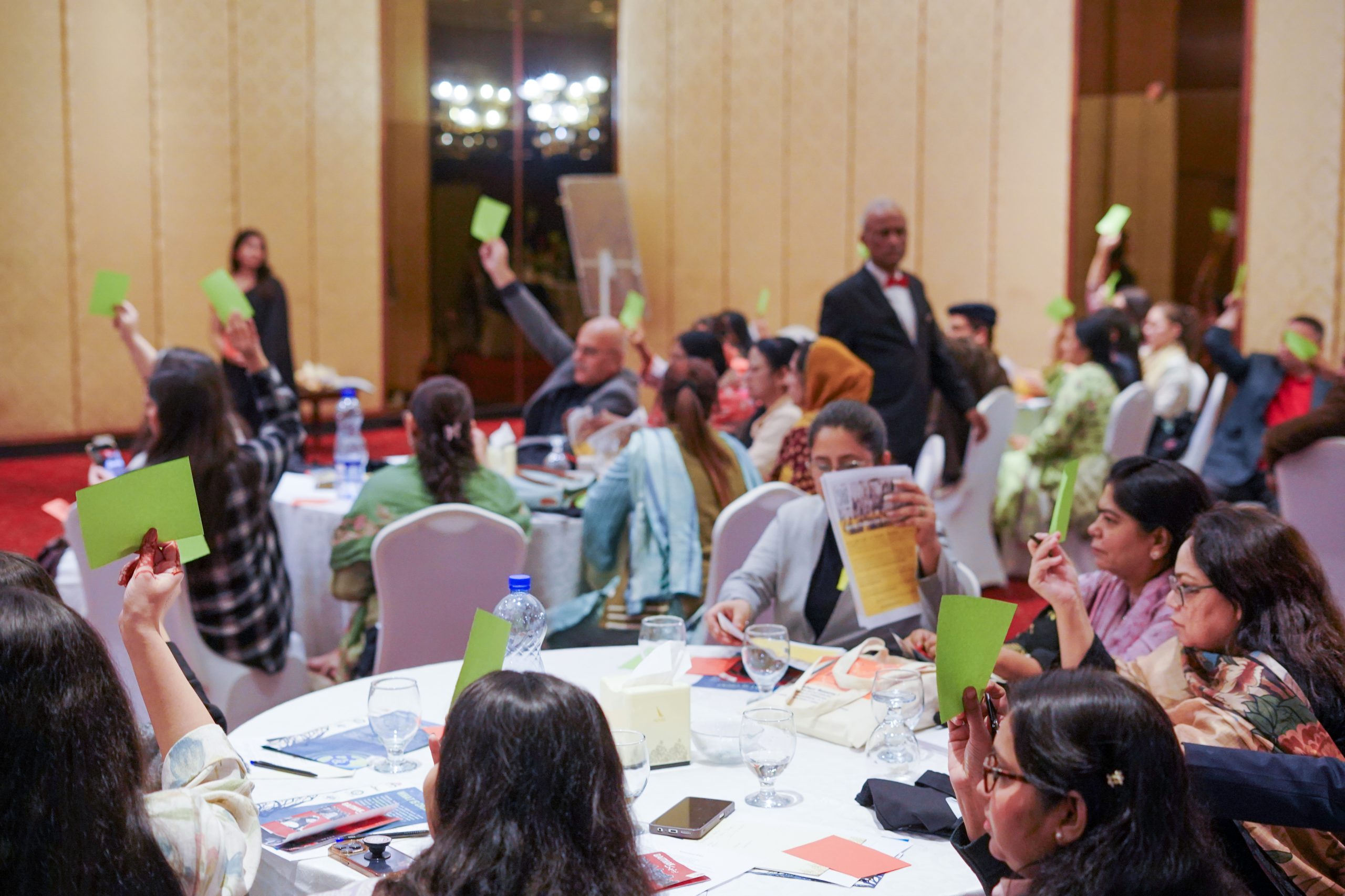
GRACE focuses on integrating a gender lens into climate action by building the capacity of grassroots organizations. We train organizations to better address the unique challenges faced by women related to SRHR during climate-induced disasters. This project aims to build a community of grassroots organizations advocating for the integration of SRHR in Pakistan’s climate crisis response. As part of the GRACE consortium, we have trained 100+ civil society organizations to advocate for the integration of SRHR in Pakistan’s climate crisis response and climate policy frameworks.
Climate and Gender Advocacy Campaign
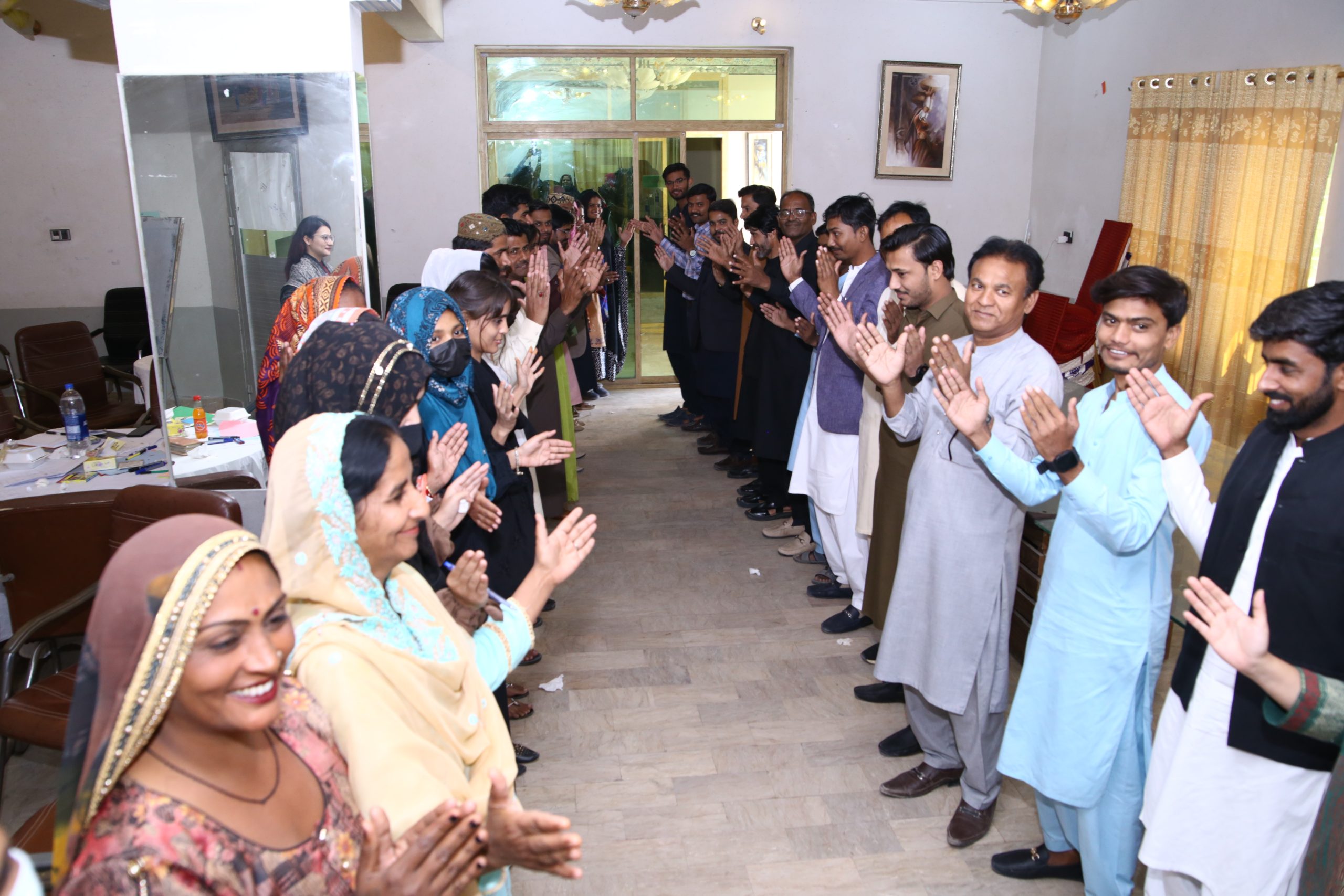
Our active climate and gender advocacy campaign documents narratives of women’s lived experiences during the climate crisis and mobilizes them to demand gender-equitable climate crisis responses. Previously, we’ve conducted art sit-ins with 100 women to express their menstrual health struggles through art and documented their narratives in a documentary. As part of the Young Omang Consortium, we conducted advocacy sessions with 200+ women in climate migrant communities in Karachi.
Menstrual Health Management
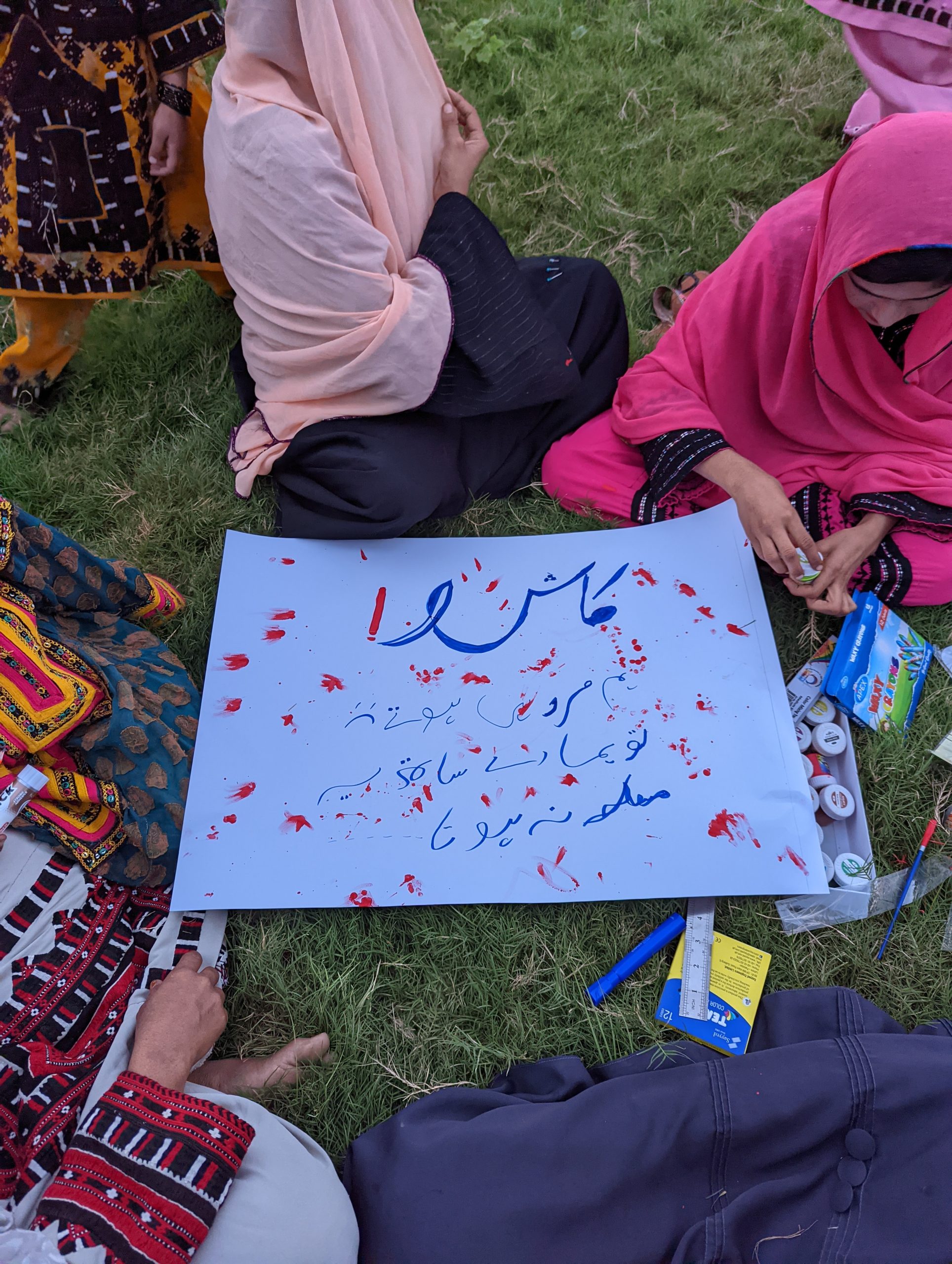
Menstrual Health Management (MHM) is one of our key thematic areas under which we conduct our community-style Baithaks, or "Gatherings," by creating safe spaces for girls and women to detach the societal stigma around menstruation and women’s bodies. The objective of this is to provide girls and women with knowledge, tools, and resources to facilitate the process for them to make informed decisions about their bodily autonomy. Here are some of our activities under this thematic area:
Community Baithaks
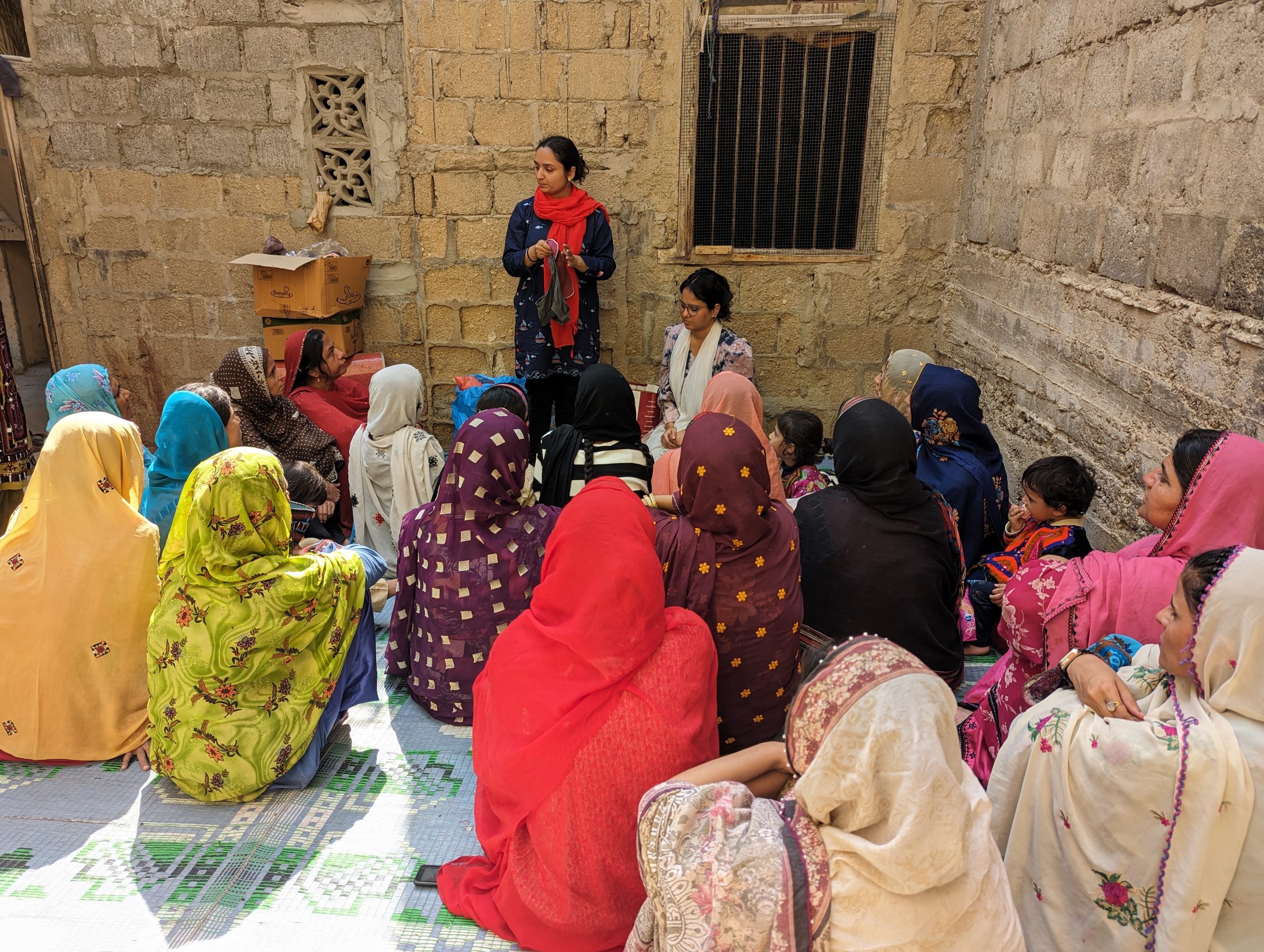
An essential component of our grassroots interventions is mobilizing girls and women for reproductive justice through our community baithaks, or community gatherings that are safe spaces for women to reflect on and learn about their SRHR (particularly menstrual health, family planning, and early and forced marriages).
Our Baithak-style sessions have been very successful in providing girls and women access to this information. After group sessions, we conduct one-on-one sessions for whoever needs it, given that we know that young and newly married girls are not comfortable asking questions about sex or contraceptives in front of other women because of the shame and stigma. These Baithaks have helped us address issues like early marriages, early pregnancies, unintended pregnancies, reproductive coercion, and family planning, and, to date, have impacted the lives of over 360K+ girls and women across Pakistan.
Menstrual Health and Dignity in schools
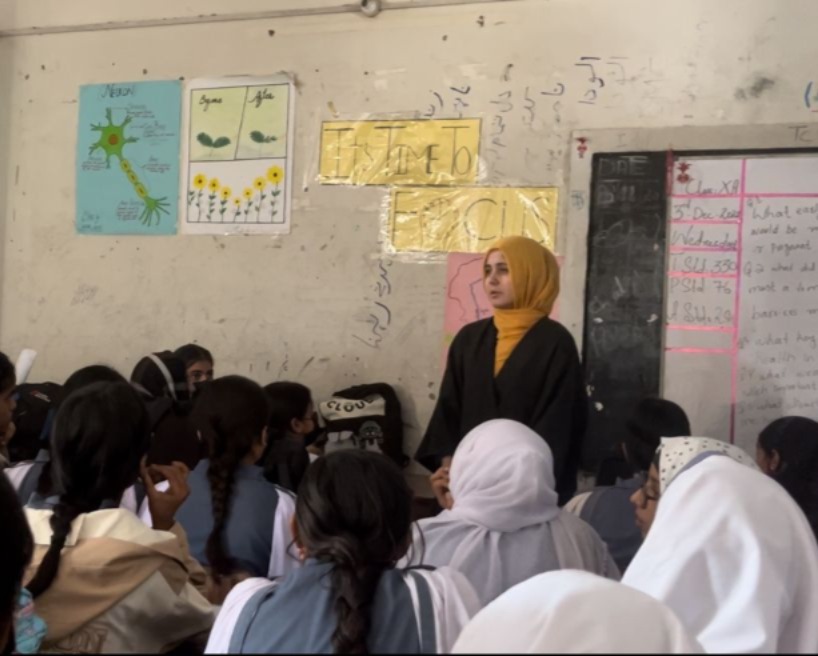
This program is aimed at educating and empowering young girls, educators, and administrators on menstrual and reproductive health across Pakistan. Through interactive sessions and activities, we train teachers and help develop curriculum enriched with valuable knowledge about menstrual health, hygiene, and reproductive health.
Male Allyship and Positive Masculinities
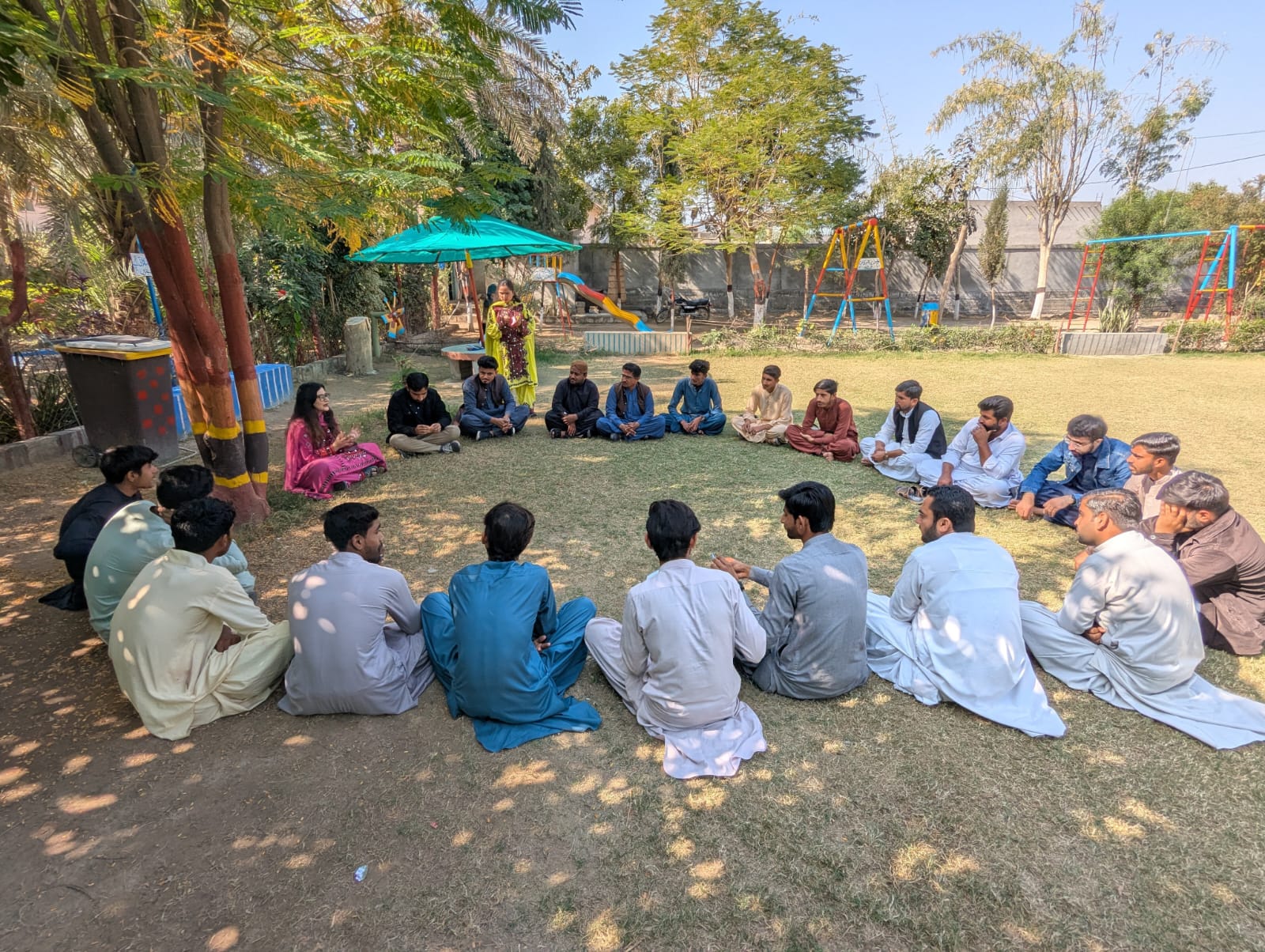
In societies where rigid gender norms often shape ideas of manhood, Baithak works to reimagine healthier and more equitable understandings of masculinity rooted in empathy, accountability, and care. By creating discussion-based spaces grounded in critical thinking and reflection, we work with young boys and men to reflect on patriarchy, power, privilege, and the impact of harmful gender norms on individuals and communities. Our work focuses on building a meaningful male ally ship that supports gender justice, encourages emotional well-being, and promotes communities grounded in respect and equity.
Masculinity Manifesto
Masculinity Manifesto aims to address the intricacies of gender-based violence by engaging young boys and men in discussions on masculinities, power, and privilege to help them unlearn fault lines that can potentially lead to GBV. Baithak has designed a comprehensive curriculum and facilitator toolkit for MasMan and has trained a total of 24 facilitators from different cities in Pakistan. Our facilitators from Karachi and Hyderabad have conducted sessions with over 200 men across the two cities at Chai Dhabbas and educated them on GBV prevention through reflective activities.
Men4Menstruation (M4M)
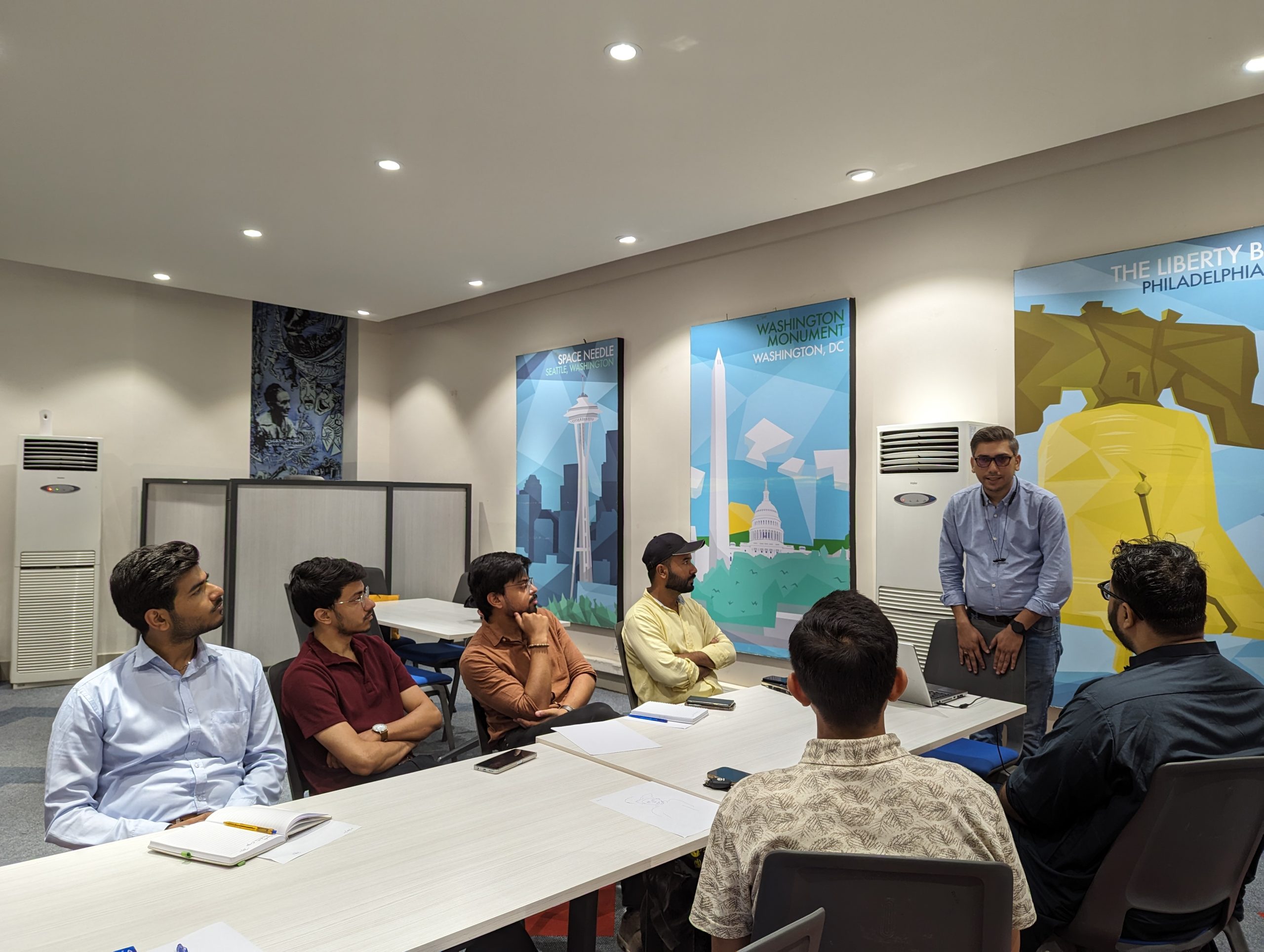
Men4Menstruation is a project that educates men on the basics of menstrual health and reproductive health. By developing their capacity and empowering them to take action in their communities, we aim to create a supportive environment for better MHM practices. M4M aims to equip men to advocate for safe spaces and better menstrual health management for women.
Mental Health and Well-Being
Mental health and well-being is one of our key thematic areas through which we work to strengthen emotional well-being, resilience, and community care. We train frontline workers and responders in basic psychological first aid so they can support communities safely and responsibly during crises. Alongside this, we conduct healing circles and reflective spaces with women, girls, activists, and other community members to process emotions, reduce stress, and rebuild resilience. The objective is to equip individuals and responders with knowledge, tools, and supportive environments they need to care for themselves and others. Here are some of our activities under this thematic area:
Psychological First Aid (PFA) Training
Psychological First Aid (PFA) training is a key initiative under our Mental Health and Wellbeing work, designed to strengthen the emotional support capacity of frontline workers responding to crises. Through this project, Baithak (in collaboration with a clinical psychologist) trains responders, community workers, mobilizers, and volunteers in the fundamentals of safe, ethical, and compassionate psychological support. The training focuses on grounding participants in emotional awareness, communication skills, crisis sensitivity, and referral pathways, ensuring they can confidently support individuals experiencing distress during disasters and emergencies.
Healing Circles
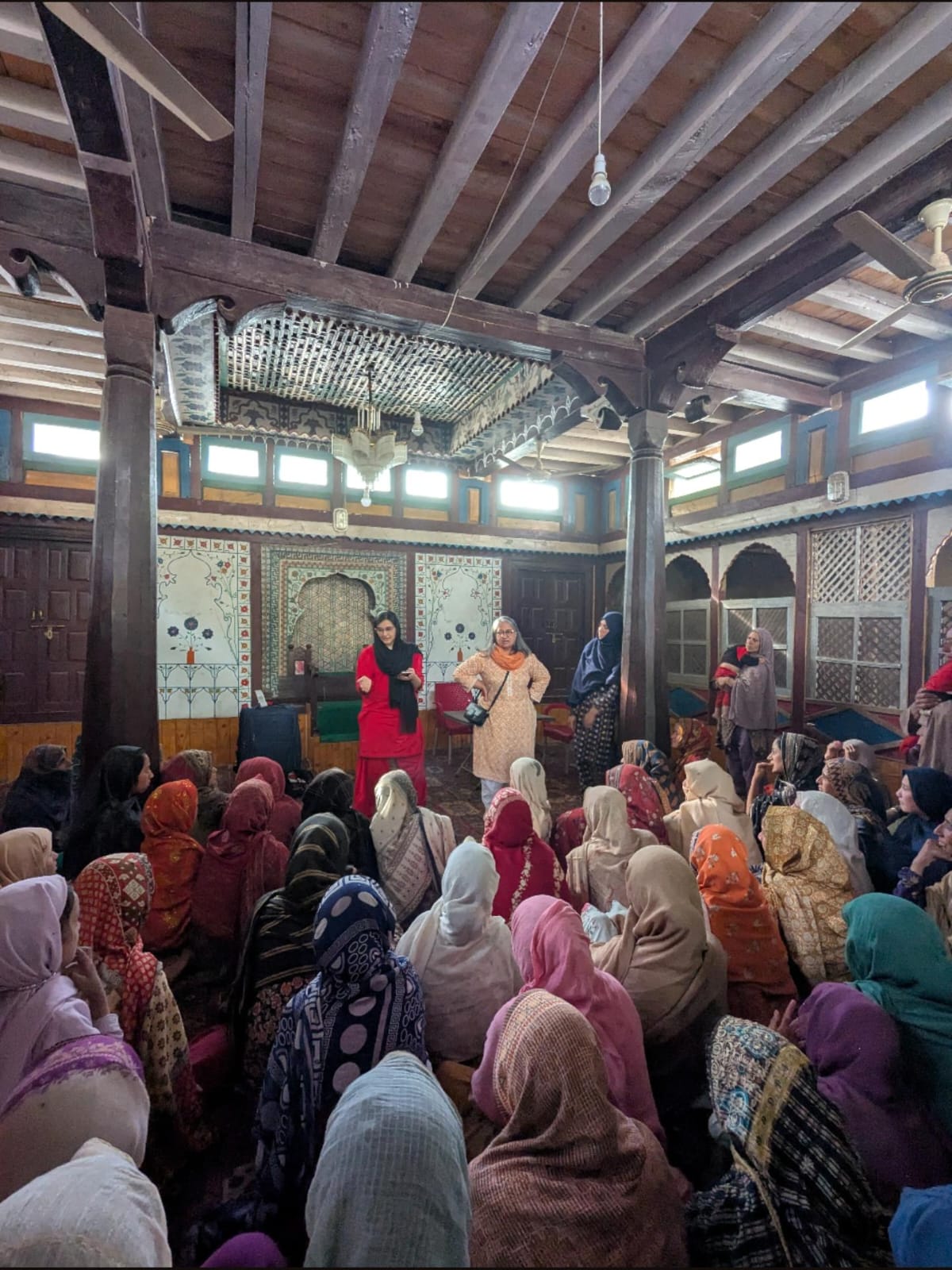
Healing Circles are another core component of Baithak’s Mental Health and Wellbeing work, created to offer gentle, supportive spaces for women, girls, activists, and community members to process their emotions and experiences. These circles center collective healing by encouraging reflection, storytelling, grounding exercises, and shared coping strategies. These Healing Circles provide a safe environment where participants can reconnect with themselves, feel seen and heard, and strengthen their emotional resilience.
Gender-based Violence Prevention
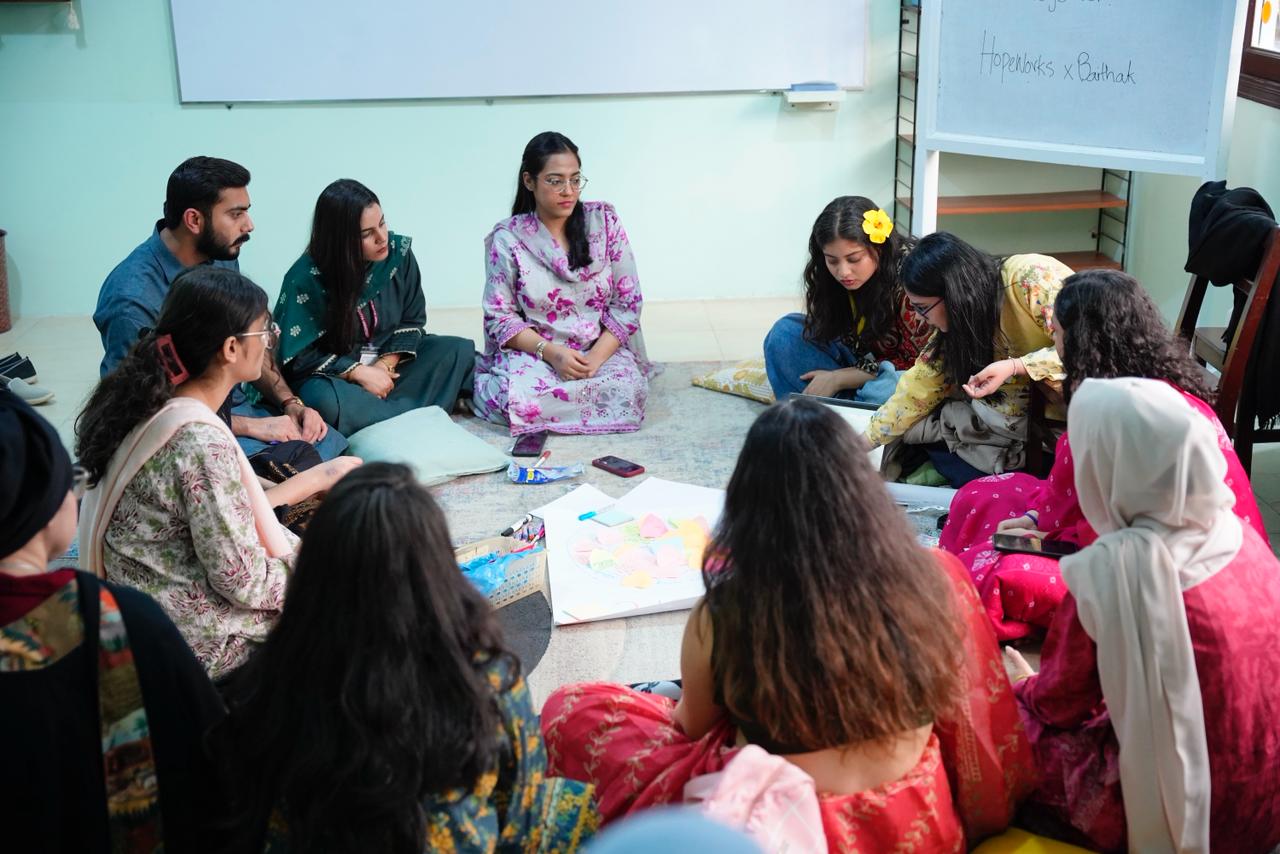
Gender-based violence remains deeply tied to systemic inequalities, climate vulnerabilities, and barriers to access to information and resources. At Baithak, we work with communities to strengthen community-led efforts that promote safety, dignity, and gender justice, particularly for women and girls navigating crisis and marginalization. Through our programs, dialogues, and grassroots engagement, we amplify local voices and create spaces for critical conversations around safety, rights, and protection. Our work focuses on ensuring that women and communities have access to the knowledge, support systems, and resources needed to recognize, navigate, and help prevent gender-based violence in their everyday lives and during times of crisis.
Gender Dialogues
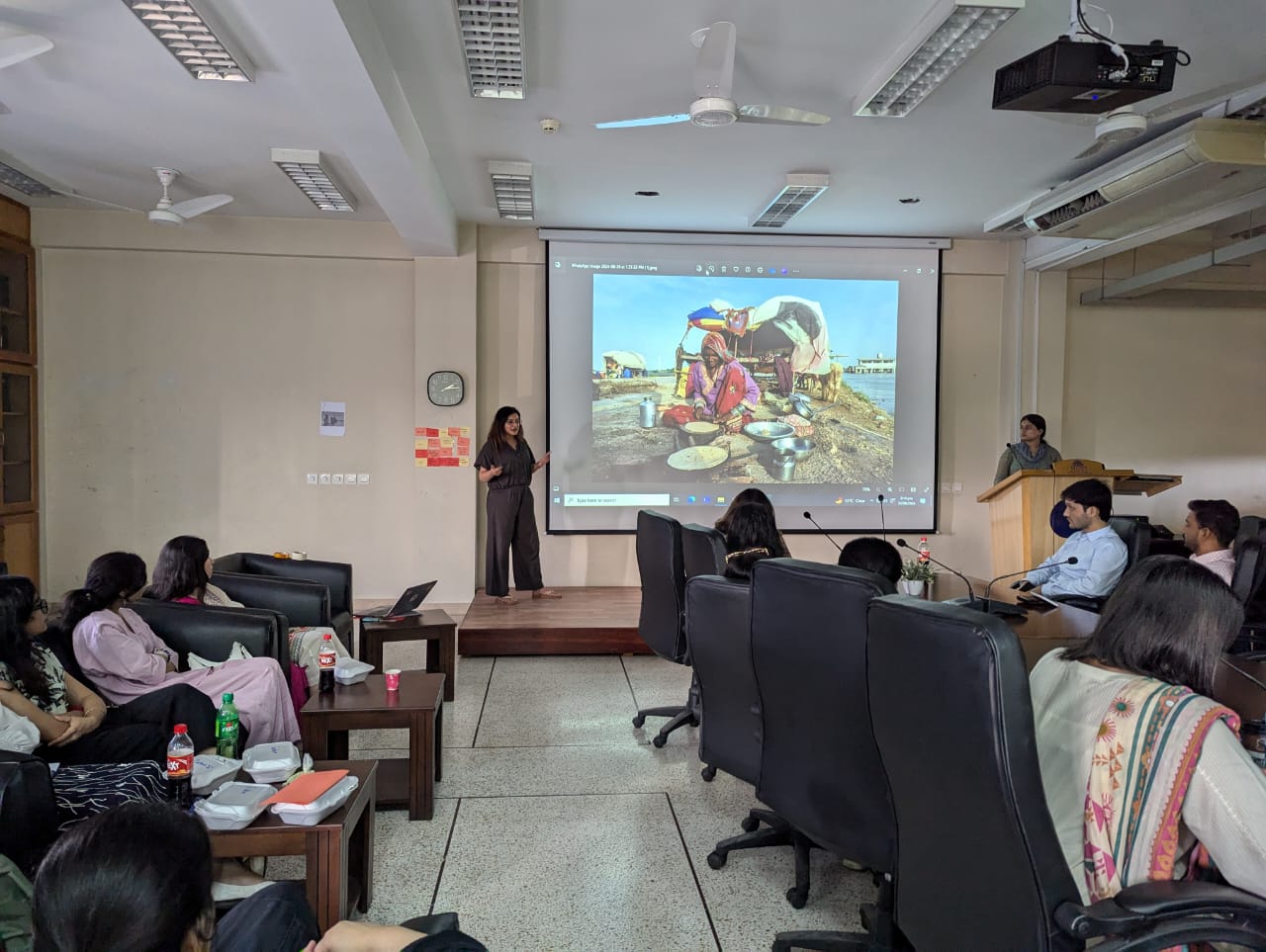
Gender-based violence remains deeply tied to systemic inequalities, climate vulnerabilities, and barriers to access to information and resources. At Baithak, we work with communities to strengthen community-led efforts that promote safety, dignity, and gender justice, particularly for women and girls navigating crisis and marginalization. Through our programs, dialogues, and grassroots engagement, we amplify local voices and create spaces for critical conversations around safety, rights, and protection. Our work focuses on ensuring that women and communities have access to the knowledge, support systems, and resources needed to recognize, navigate, and help prevent gender-based violence in their everyday lives and during times of crisis.
Feminist Movement Building and Leadership
Feminist movement building and leadership is another core component of our work. We strengthen the leadership of young activists, leaders, and community mobilizers working at the intersections of climate and gender justice, feminist archiving, and well-being in Pakistan. The approach focuses on shifting power back to the grassroots by equipping activists with the resources, tools, and community they need to lead. Through this support, young leaders are able to build and sustain feminist movements within their communities and organizations rooted in empathy, care, and solidarity.
BehnChara Collective
BehnChara (بہن چارہ), meaning sisterhood, is a feminist movement-building and leadership initiative rooted in the politics of climate and gender justice, sexual and reproductive health and rights, collective care, and resistance.
In its first year, BehnChara Collective became a network of 25 grassroots feminist activists from 23 districts across Pakistan, who had been doing crucial work-yet working in isolation, with little to no resources, and no access to mainstream advocacy or learning spaces. Many were carrying the emotional and physical labor of organizing without community, care, or sustained support.
Through a hybrid model, including a feminist leadership and advocacy institute and community baithaks each month, activists strengthened feminist analysis and grassroots organizing. With sustained support, they mobilized their communities, challenged structural inequalities, and engaged in evidence-based advocacy. Over a period of 6-8 months, 200+ community baithaks were facilitated, directly reaching 3,600+ young girls and women through safe, feminist community spaces.
Feminist Archival Institute
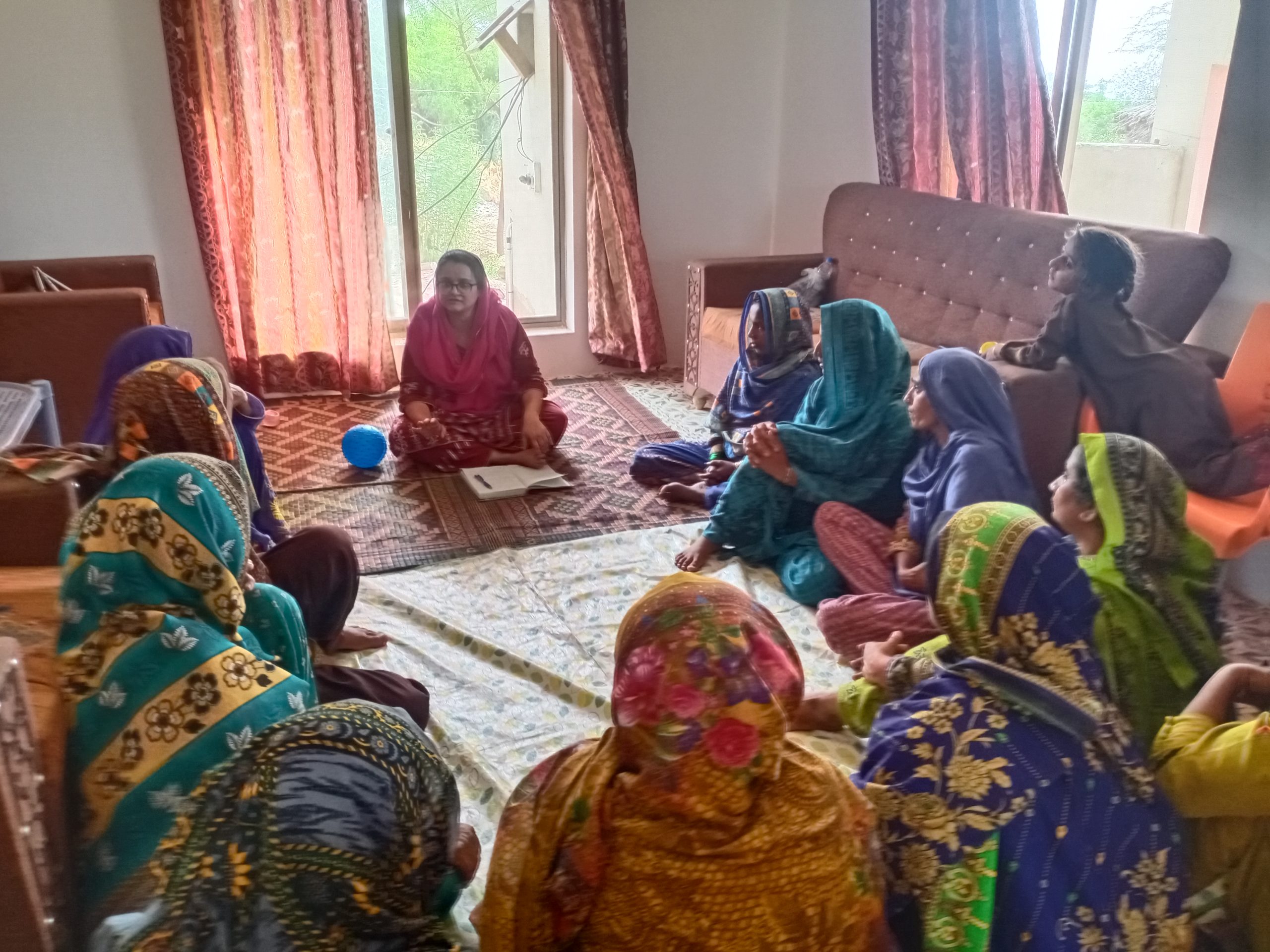
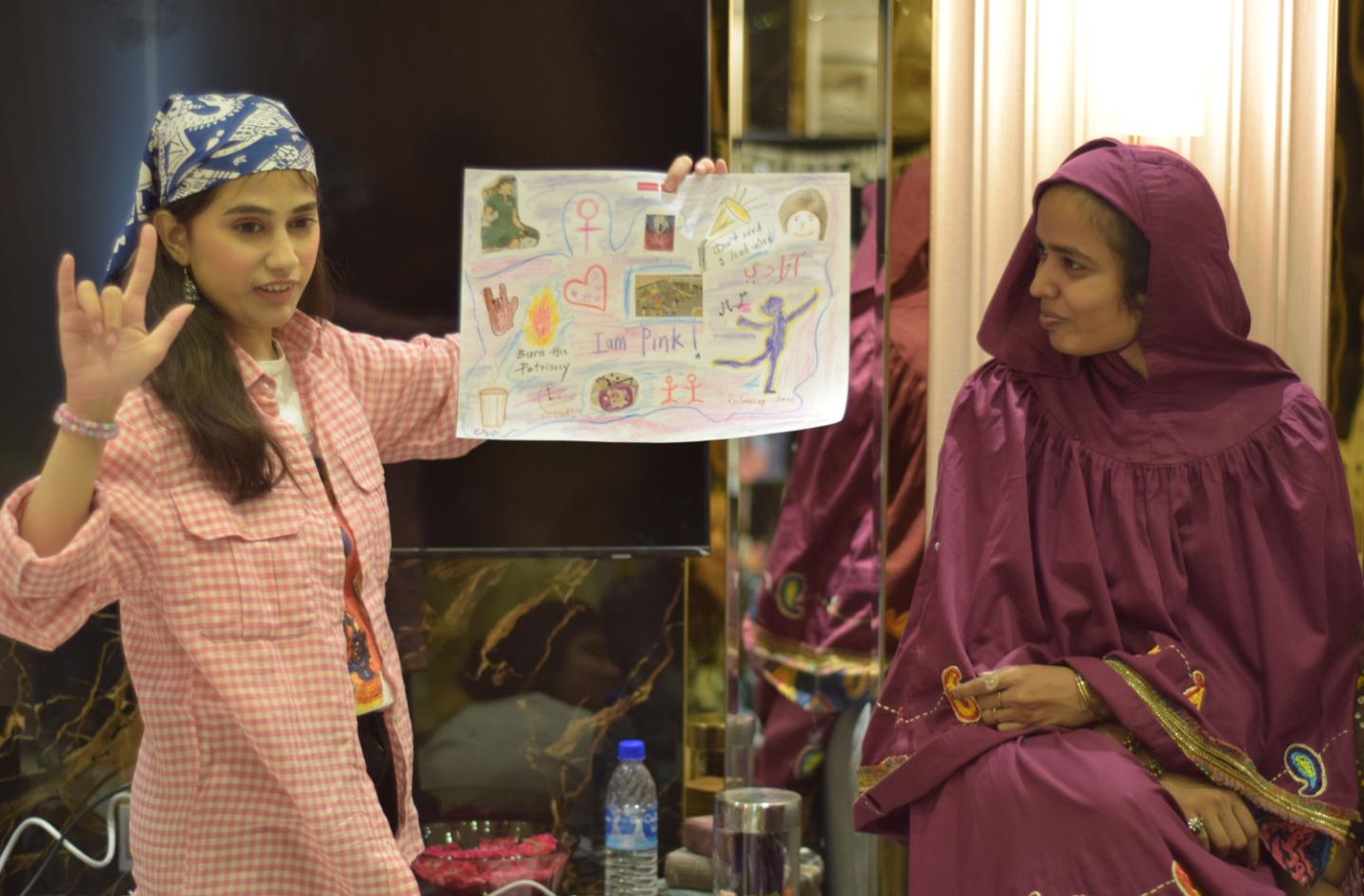
Grassroots feminist organizing in Pakistan has long resisted patriarchy, state violence, colonial legacies, and climate injustice, yet its knowledge and labor remain largely undocumented and excluded from mainstream feminist narratives. The rise of digital archiving further marginalizes the grassroots eco-activists and is representative of an elitist, west-leaning, and privileged class that further marginalizes, erases, and excludes local knowledge systems and ways of resistance. This initiative challenges that erasure by affirming that grassroots experiences are not “too local” or “ordinary,” but essential to shaping feminist futures. As part of a 10-month initiative by Baithak, the Feminist Archival Institute works to document and preserve lived realities, strategies, and creative expressions of grassroots feminists across Pakistan in the form of BehnChara Collective Archive. It is our attempt and an act of resistance, care, and intergenerational continuity.
Gender and Tech
In today’s world, technology holds the power to transform lives; therefore, we leverage it to advocate for gender justice and advance sexual and reproductive health education. We hold conversations around online safety and digital rights to empower young girls and women to navigate online spaces with agency. Here are some of our initiatives under this thematic area:
GenderNet Innovation Lab
GenderNet is focused on using technology to accelerate gender equality and was launched in 2023 in line with the UN’s priority theme. This lab strengthened the understanding, skills, and motivation of 60 young people to design, launch, and scale sustainable tech-based or tech-enabled social enterprises for gender equality and create a community of innovators. This project was executed by Baithak – Challenging Taboos and is supported by the US mission in partnership with the Pakistan-US Alumni Network.
GUL – AI-Powered Voice Chat Bot
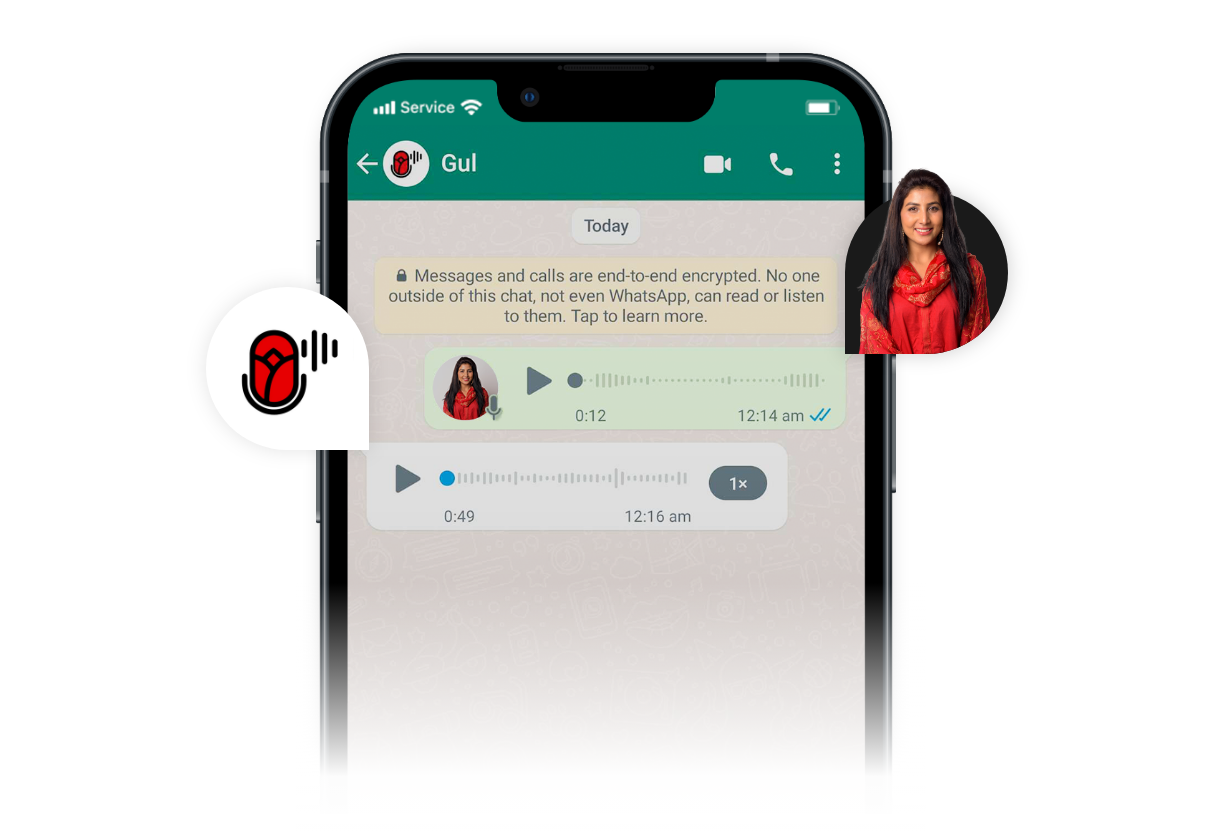
Gul is an innovative AI-powered voice assistant, specifically tailored to serve the reproductive health needs of grassroots communities in Pakistan. Fluent in local languages, Gul offers vital information and telehealth services, bridging the healthcare divide and empowering individuals with accurate, confidential, and culturally sensitive support.